
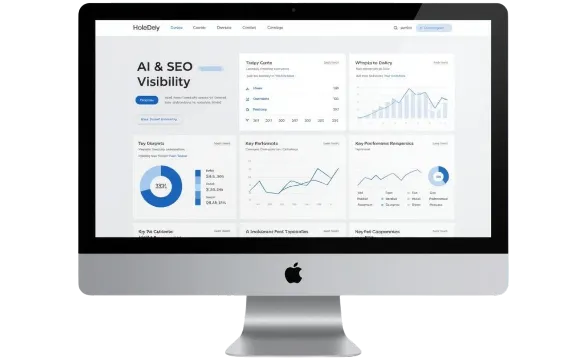


Transform Your Business Into a Legacy-Driven Institution
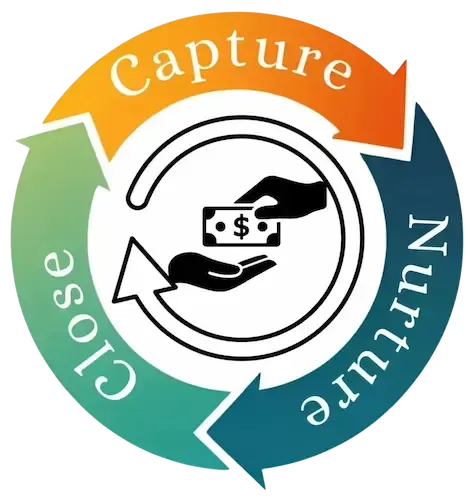
Install proven, compounding systems that multiply your growth year after year—so you’re no longer dependent on one-off tactics that quickly fade away.
Without systems, your business hits a ceiling—and you stay busy in the weeds instead of leading!
Founder-dependent → System-dependent
Trusted By Industry Leaders


Welcome to New Dawn Solutions Marketing & Consulting Agency
(Your 100% Dedicated Small Business Success Partner)
Illuminate Your Brand's Next Chapter
Every day, small businesses struggle to stand out—wasting time, energy, and resources on marketing that falls flat. At New Dawn Solutions, we understand the frustration of feeling invisible in a crowded marketplace. That’s why we go beyond generic tactics, igniting true transformation through proven systems, innovative strategies, and unwavering client focus.
Our team of recognized thought leaders specializes in brand clarity, identity transformation, and actionable marketing strategies that deliver measurable results. We help you discover your brand’s authentic identity, clarify your message, and turn your vision into a powerful engine for growth.
Unleash Your Brand’s Full Potential: Cut Costs, Save Time, Elevate Quality, and Drive Scalable Growth!
We believe every business deserves a chance to shine. Whether you’re just starting out or ready to scale, New Dawn Solutions is your strategic partner for standing out, scaling up, and sustaining success in a rapidly evolving digital world. Your next chapter begins here.
NEW DAWN SOLUTIONS
NEXT-LEVEL SOLUTIONS
What Leading Small Businesses Are Choosing Now.
10 Signature Solutions · Proven Results
TURN CHAOS INTO GROWTH
THE COST OF DAILY CHAOS
Are you bogged down by daily chaos, losing customers to automation-savvy competitors, or struggling to keep pace with digital innovation?
These are the costly realities for today’s small businesses. Disconnected efforts mean missed growth and mounting frustration, leaving your team drained and your pipeline stagnant.
10 SIGNATURE SOLUTIONS
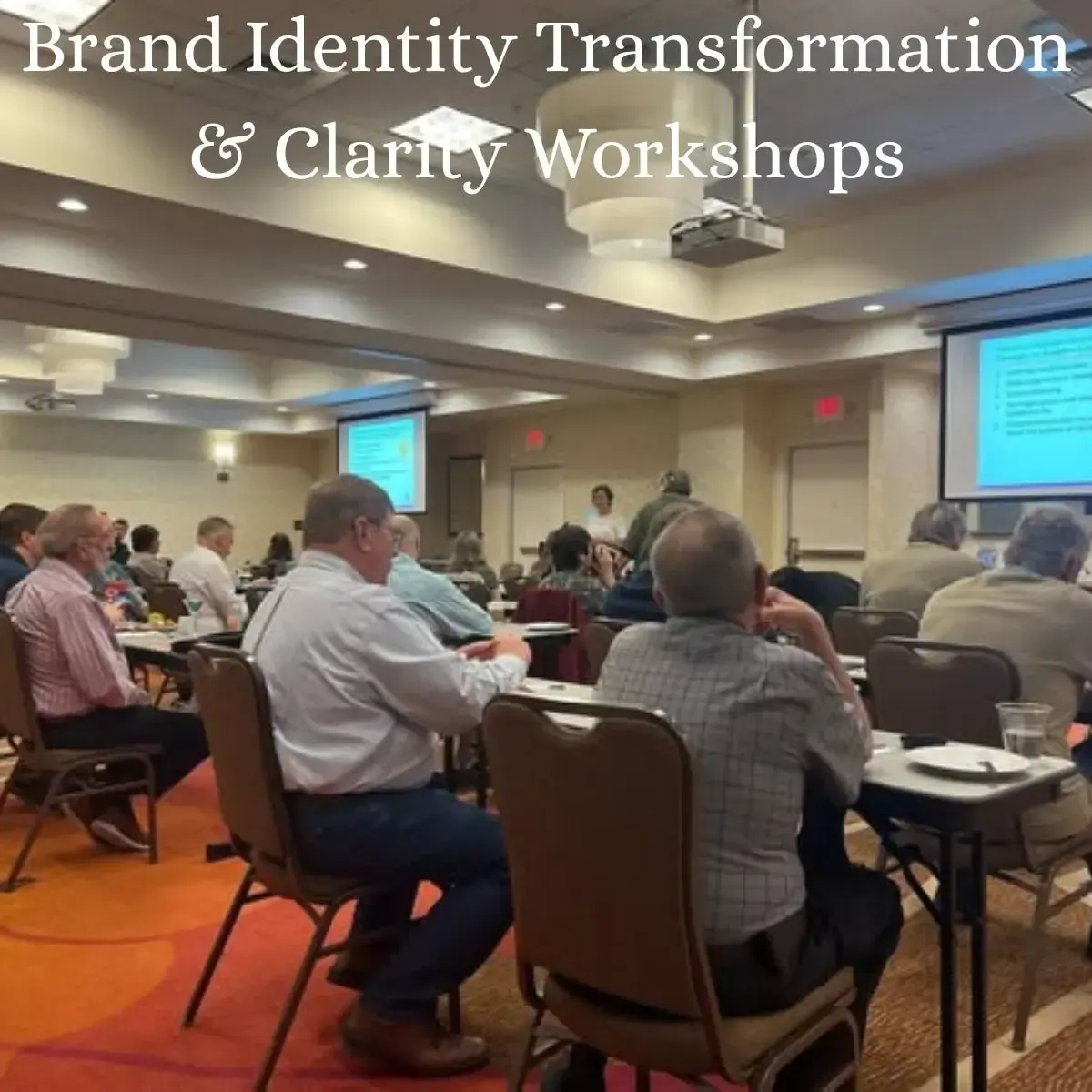
Brand Identity Transformation & Clarity Workshops
Is your brand lost in the crowd because of mixed messaging, inconsistent visuals, or an unclear value proposition? Without brand clarity, opportunities slip away and growth stalls. Our interactive workshops guide you to uncover your brand’s authentic identity, refine your message, and create a presence that turns heads. Partner with us to become the brand that’s confident, cohesive, and truly unforgettable.
💡 See How It Works
Strategic Marketing Consulting & Campaign Development
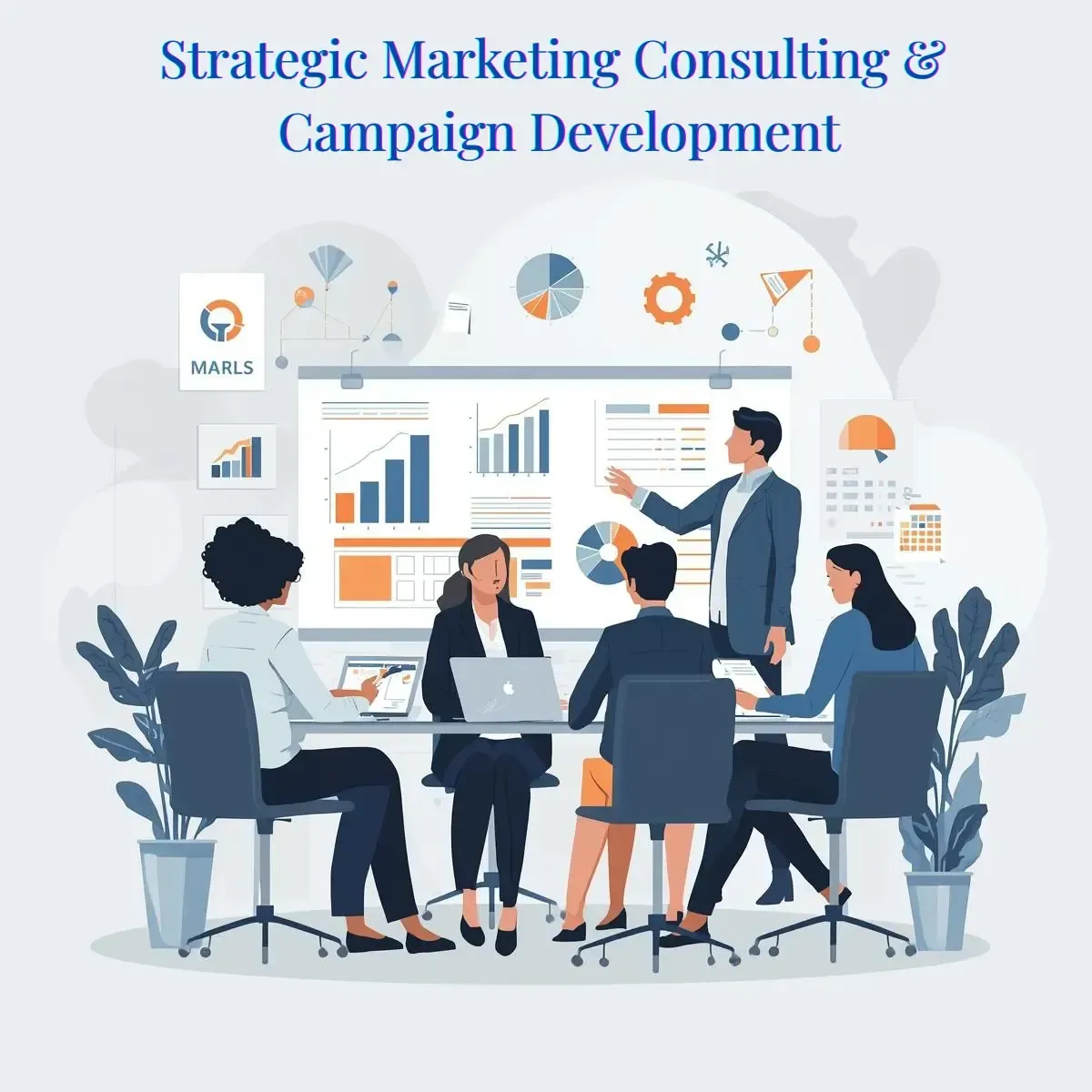
Frustrated by marketing campaigns that drain your budget but don’t deliver real results? Disconnected efforts mean missed growth and mounting frustration. We develop data-driven, custom strategies and campaigns tailored to your unique goals—ensuring every dollar works smarter and drives measurable impact. Partner with us to become the business known for smart decisions, strategic marketing, and a track record of proven success.
💡 See How It Works

Business Systems & AI Automation
Are manual processes holding your business back, causing costly errors, and draining your team’s energy? Every repetitive task is time and profit lost, not to mention missed opportunities for growth. We design and implement seamless, customized automated business systems that streamline your operations, reduce mistakes, and free your team to focus on what drives results. Partner with us to be recognized for operational excellence, agility, and innovation—leading your industry with future-ready, automated solutions.
💡 See How It Works
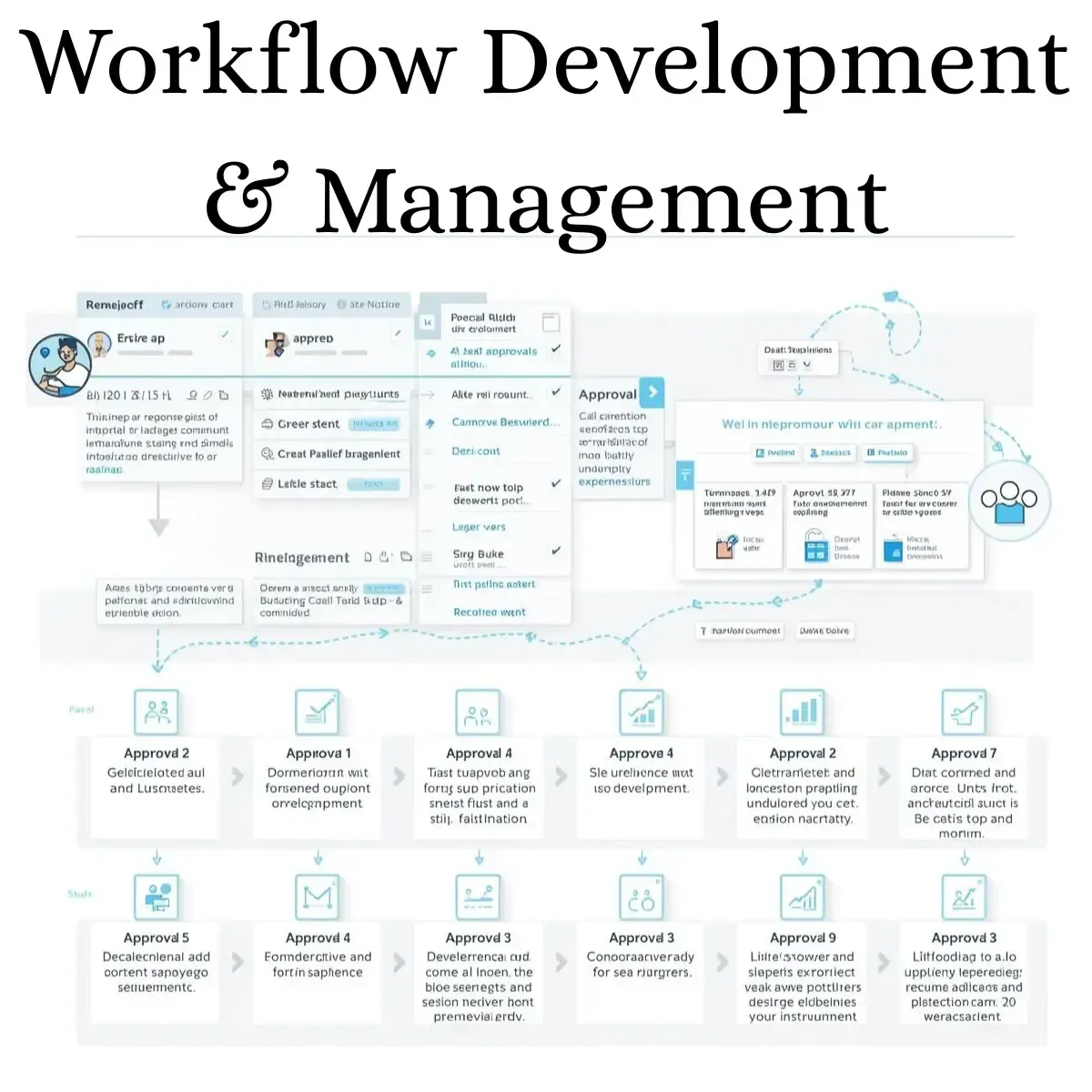
Workflow Development & Management
Are your workflows disorganized, causing confusion, missed deadlines, and frustrated employees? Workflow inefficiencies drain profits, harm your reputation, and block growth. We design and optimize streamlined workflows that bring clarity, accountability, and seamless execution from start to finish. Partner with us to become a business known for reliability—delivering on time, every time—with a unified team that thrives on clarity and collaboration.
💡 See How It Works

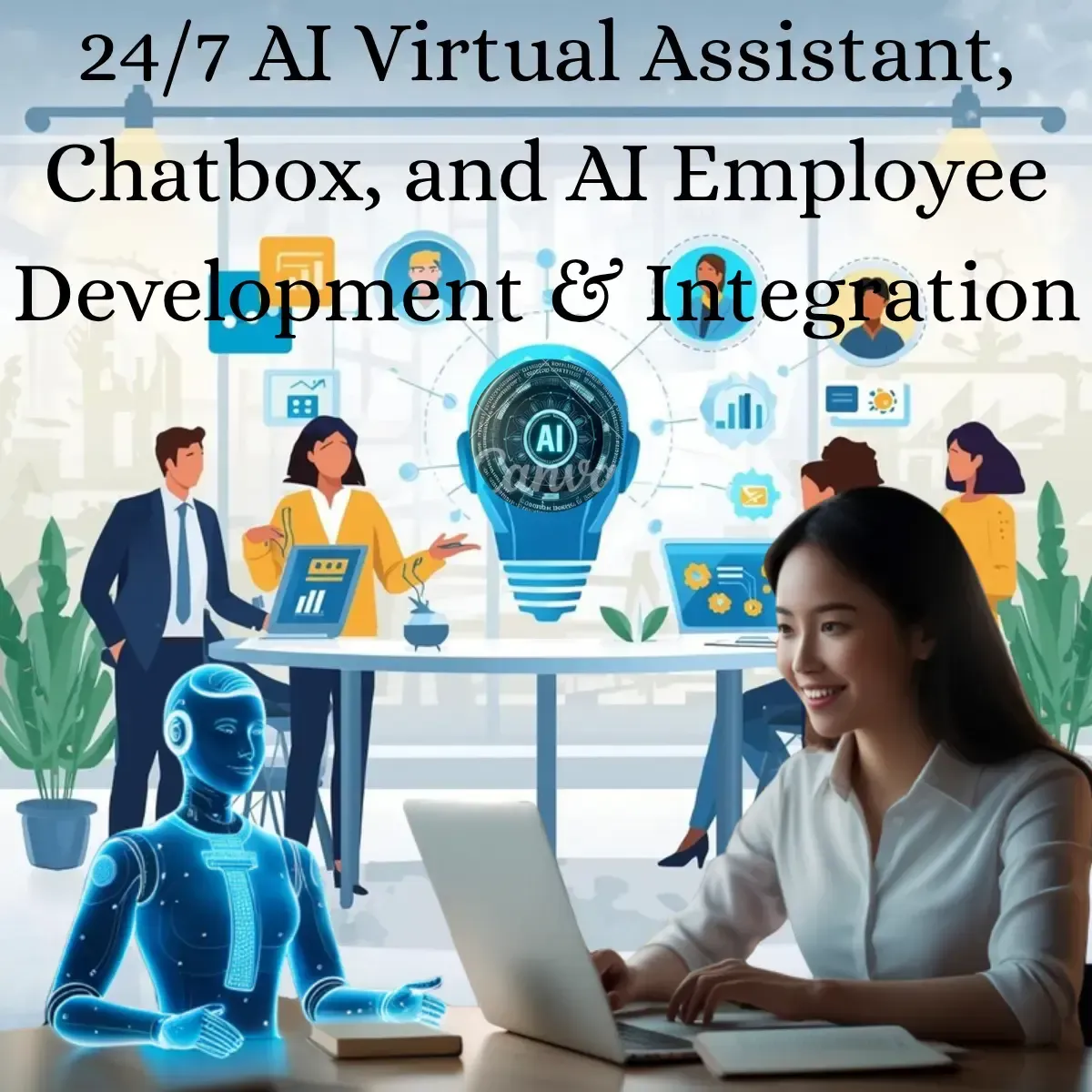
24/7 AI Virtual Assistant, Chatbox, and AI Employee Development & Integration
Is your team overwhelmed by repetitive questions, routine tasks, and the pressure to deliver round-the-clock service? Falling behind in AI adoption means missed growth, customer frustration, and overworked staff. Our 24/7 AI Virtual Assistants and Chatbox solutions handle customer inquiries instantly, automate transactions, and support your team day and night—freeing your people to focus on strategic, high-impact work. We train your staff and integrate AI into your workflows, empowering everyone to work smarter and create breakthrough results. Partner with us to build a truly future-ready business where humans and AI drive innovation and deliver an exceptional customer experience—anytime, anywhere.
💡 See How It Works
AI Consulting
Does the rapidly changing world of AI feel overwhelming or out of reach? Falling behind in AI adoption can leave your business vulnerable to disruption and missed opportunities. Our expert AI consulting services make artificial intelligence accessible, help you identify the highest-impact opportunities, and build a clear, actionable strategy aligned with your goals. Partner with us to become an industry pioneer—agile, adaptive, and always ahead of the curve.
💡 See How It Works

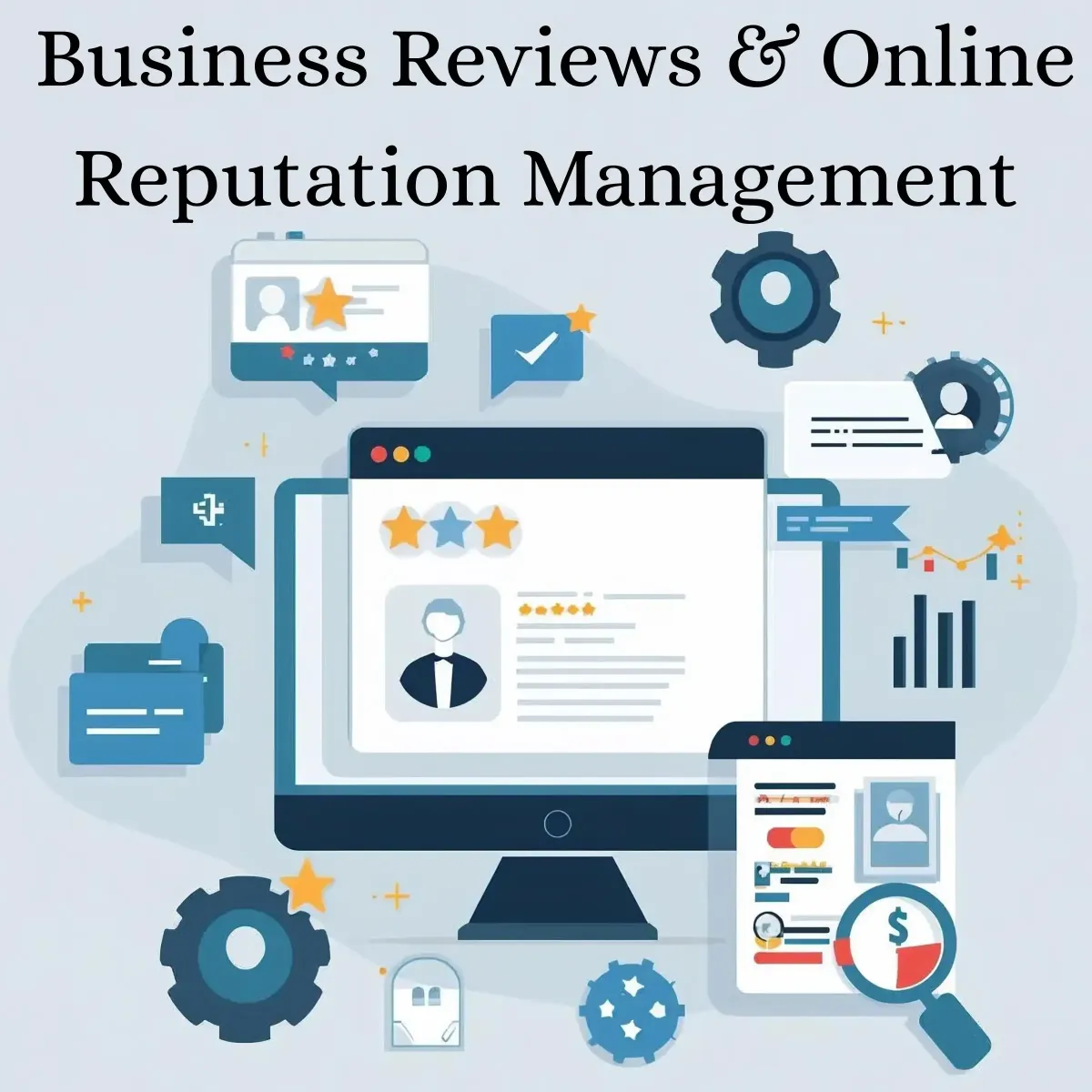
Business Reviews & Online Reputation Management
Are negative reviews and a weak online presence eroding trust and driving away new clients? Every ignored review and neglected reputation means lost customers and credibility. We actively monitor, manage, and strengthen your online reputation—turning happy clients into powerful advocates and addressing concerns before they escalate. Partner with us to become the trusted, top-rated business customers talk about—and competitors wish they could match.
💡 See How It Works
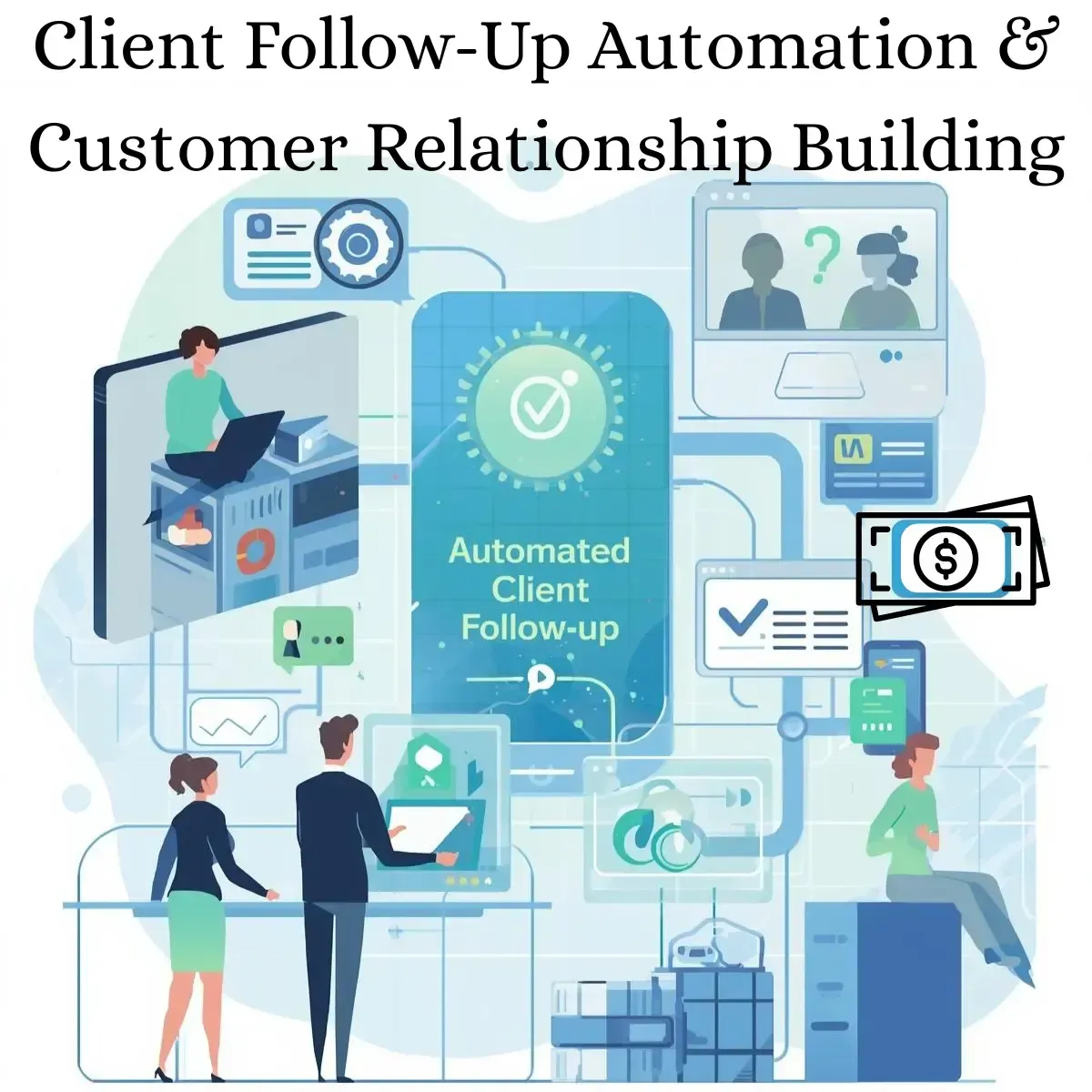
Client Follow-Up Automation & Customer Relationship Building
Are your leads growing cold, clients feeling overlooked, and valuable opportunities slipping away because of inconsistent follow-up? Every missed touchpoint means lost sales, weakened loyalty, and wasted marketing investment. We implement smart, personalized follow-up automation that feels authentic and human, keeping your business top of mind, deepening relationships, and converting more prospects into loyal clients. Partner with us to be known for exceptional customer care and long-lasting connections that drive real growth.
💡 See How It Works
Customer Feedback Loop & Referral Automation
Are you missing valuable insights and letting happy clients go unnoticed instead of fueling your growth? Without a steady flow of feedback, your business stalls—and every untapped referral means lost revenue and momentum. We implement automated feedback and referral systems that capture real-time insights, resolve concerns, and empower delighted customers to become active brand advocates. Partner with us to build a business driven by continuous improvement and unstoppable, organic growth through word of mouth.
💡 See How It Works
Customer Acquisition & Retention
Are you struggling to attract your ideal customers—and keep them coming back for more? High churn, low loyalty, and slow growth can quickly stall your business’s momentum. We develop and implement targeted strategies to draw in your dream clients, build genuine relationships, and maximize their lifetime value. Partner with us to become the business that customers can’t resist—growing loyalty and revenue year after year.
💡 See How It Works

UNLOCK WHAT IS NEXT
At New Dawn Solutions, every service is designed to turn struggle into strength and confusion into clarity.
SUCCESS STORIES
Results That
Speak Volumes
"Before partnering with New Dawn Solutions, our brand message was scattered — we were a credible firm with a powerful track record, but our marketing didn't reflect that. Clients would come to us through referrals alone, and we had no reliable system to attract or convert new prospects independently. After going through their Brand Identity Transformation & Clarity Workshop and working through a customized Growth Roadmap, everything changed. Within 60 days, we had a cohesive brand identity, a clear value proposition that resonated with high-net-worth individuals, and a fully built marketing strategy to match. Our website conversion rate improved by 34%, our qualified leads increased by over 40%, and we closed 3 new high-value client accounts that we directly attribute to the clarity and positioning work we did together. New Dawn Solutions doesn't just consult — they become a true strategic partner invested in your growth. Jallah and his team operate with a level of integrity, precision, and genuine care that is rare. If you're serious about growing your firm and positioning your brand for long-term leadership, stop waiting. The investment pays for itself."

"We launched BeRejuved with a beautiful space, exceptional practitioners, and premium services, but we were invisible online and our message wasn't connecting with the clients we truly wanted to serve. We were spending money on ads and social content without a real strategy, and it showed in our results. New Dawn Solutions completely transformed how we show up in the market. They led us through a Brand Clarity Workshop that helped us finally articulate what makes BeRejuved different, not just as a medical spa, but as a transformational wellness experience. From there, they built us a content strategy and customer acquisition system that actually works. Within the first 90 days, our monthly new client bookings grew by 52%. Our email list grew from under 300 contacts to over 1,200 engaged subscribers. Our average client retention improved significantly, and for the first time we had a consistent, systematic way to reactivate past clients, which alone brought in over $13,500 in recovered revenue in just one quarter. What I respect most about Jallah and the New Dawn team is that they never offer fluff. Every recommendation was rooted in data, tailored to our business, and built to last. I finally feel like we have a brand, not just a business."

"Law firms aren't typically known for strong marketing, and honestly, ours was no exception. We had a dated website, no defined brand voice, and a referral-heavy pipeline that left us too dependent on a small network. We knew we needed to modernize, but we didn't know where to start. New Dawn Solutions came in and gave us exactly what we needed: clarity, a real strategy, and a system we could execute without adding more chaos to our operations. They audited our current marketing, rebuilt our messaging framework, helped us clarify the types of clients we serve best, and developed an integrated campaign strategy aligned with our growth goals. The results have been measurable and meaningful. Our website traffic increased by 67% within the first four months. Our online consultation requests went from averaging 4 per month to consistently 15–18 per month. We also implemented an automated lead nurturing system that keeps prospects engaged without requiring our team to manually follow up on every inquiry, which has saved us an estimated 12+ hours of staff time per week. Working with New Dawn Solutions is the smartest operational decision we've made this year. They're sharp, accountable, and they deliver. I'd recommend them to any firm or business serious about sustainable growth."

FAQS
What makes New Dawn Solutions truly different?
We’re more than just marketing experts—we’re invested partners in your brand’s transformation and growth. Our team is made up of recognized industry thought leaders who combine deep expertise in marketing, identity transformation, and brand clarity. We provide hands-on, actionable strategies designed for measurable results, going far beyond surface-level tactics to deliver lasting clarity and real growth tailored to your unique goals.
How can I be confident your strategies will work for my business?
We recognize that every business is unique. That’s why our process is never one-size-fits-all. We develop custom strategies from the ground up, guided by real data, industry best practices, and a proven record of success across many sectors. Our focus is on delivering measurable, visible results—not empty promises.
We’ve worked with other agencies before and didn’t see results. How are you different?
Many agencies only treat symptoms, not the underlying causes. We take the time to uncover what’s really holding your brand back—clarifying your identity, aligning your messaging, and building strategies for sustainable growth. Our process is hands-on, transparent, and collaborative, with full accountability for your results from start to finish.
Our industry is very niche. Can you still help?
Definitely. We specialize in uncovering unique value for organizations in even the most specialized industries. No matter your market or audience, we customize every engagement to your specific niche, goals, and challenges.
Isn’t working with a consultant expensive?
Think of our services as an investment in your business growth. By prioritizing clarity, strategy, and actionable results, we help you maximize your ROI and eliminate the wasted expense of trial-and-error marketing.
How quickly can I expect to see results?
Results vary based on your goals and the project scope—some clients experience quick wins in just a few weeks, while others see deeper transformation over several months. We’ll set clear milestones together and keep you fully informed throughout the process.
Will I still have control over my brand and messaging?
Absolutely. Your brand is always yours. Our mission is to empower you with clarity and proven strategies, supporting your vision and voice every step of the way.
What if I don’t have a big marketing team or budget?
That’s not a barrier at all. We create scalable, high-impact solutions for businesses of every size—whether you’re a solo entrepreneur, a small team, or a larger company. Our focus is always on meaningful results, not just spending.
How do you measure success?
Success is defined by your specific goals. We establish clear, actionable KPIs—such as more qualified leads, stronger brand recognition, higher conversion rates, or improved ROI—and provide transparent, data-driven reporting at every stage of our partnership
How do I know if my brand needs identity transformation or clarity work?
If your messaging is inconsistent, your team lacks alignment, or you’re having trouble standing out, those are key signs your brand may need clarity work. Our discovery process uncovers these gaps and provides a clear plan to move your brand forward with confidence.
What’s the first step to working with New Dawn Solutions ?
Simply book a complimentary consultation. We’ll explore your goals, challenges, and vision together, then provide a clear, actionable roadmap tailored to you.
Do you offer ongoing support after a project is complete?
Absolutely. We’re committed to long-term partnerships. After your project wraps up, we’re here for ongoing consulting, campaign management, and leadership coaching—whatever you need to support your continued growth and brand success.
Meet Our Professional Team






At New Dawn Solutions, we’re more than just a team of specialists—we’re change-makers and clarity creators.
Our leadership combines deep expertise in marketing, brand identity, and transformation strategy, and our group is a vibrant mix of seasoned professionals and rising stars. With backgrounds in consumer psychology, growth planning, system design, brand strategy, digital marketing, SEO, creative and web development, and more, we offer a holistic approach to driving meaningful, measurable growth.
But what truly sets us apart is our genuine dedication to your success. We don’t just work for you—we work with you. By immersing ourselves in your brand’s unique story, challenges, and goals, we bring a spirit of true collaboration that helps us craft innovative strategies and solutions as unique as your business.
At New Dawn Solutions, you’re not just hiring a marketing agency—you’re gaining a strategic partner committed to helping your brand shine.
Together, we’ll unlock your business’s full potential and create the clarity, momentum, and transformation you deserve.

Subscribe to our Mailing List
Energize your business with daily insights from New Dawn Solutions. Receive practical marketing tips, expert strategies, and actionable advice every morning—365 days a year. Our no-fluff guidance helps you elevate your brand, refine your messaging, and capture new opportunities, day in and day out. Subscribe now to unlock fresh inspiration and make every day a new dawn for your business!

Email:
[email protected]
Phone:
(314) 314 - 0014
Address Office:
701 Market Street, Suite 110
Saint Louis, MO 63101, United States
